

Short answer: To invest in rental property as a beginner, get your finances in order, save a 20-25% down payment plus a $10,000–$15,000 cash reserve, and buy a turnkey property that cash flows after every expense. Then either manage it yourself or hire a property manager (usually 8–12% of rent). Most beginners can do this in about six months.
Want to invest in rental property but have no idea where to start?
I was in your shoes once. I had a full-time job as a pharmacist, and I wondered if real estate could really work for someone like me. My first deal went badly. It cost me over $30,000 in losses, and it still made me money in the long run. Today, I own a rental portfolio with 12 properties across 2 states and help other beginners buy their first deal.
This guide is the plan I wish I’d had. In it, you’ll get:
- The six-month timeline, step by step
- Real numbers from my own deals, including the mistake that cost me
- The frameworks I teach my students for picking a market, an agent, and a tenant
Key takeaways
- You don’t need a huge portfolio. One property a year for 4-8 years can build a multi-six-figure passive income.
- Buy turnkey, not a project. Beginners get hurt by rehabs, not by buying a cash-flowing home.
- Keep a cash reserve. Never put 100% of your savings into the down payment.
- Run the numbers before you fall in love. Emotional buying is the fastest way to overpay.
The plan at a glance:
- Is rental property a good idea?
- “Ready, Fire, Aim”
- Step 1: Assess your finances (Months 1-3)
- Step 2: Choose your strategy
- Step 3: Pick a market
- Step 4: Find a deal and run the numbers
- Step 5: Finance the property
- Step 6: Inspect and close
- Step 7: Fill and manage it
- Taxes and legal
- The most expensive beginner mistakes
- FAQs
Let’s get started!
Is investing in a rental property a good idea? (Pros and cons)
For many people, yes. The upside:- Cash flow: Rent minus expenses lands in your account every month.
- Appreciation: Homes tend to rise in value over time while tenants pay down your loan.
- Tax advantages: You can deduct expenses and depreciate the building. More on that later.
- Leverage: You control a large asset with a relatively small down payment.
- Stability: When the stock market dropped in 2020 and again in 2025, my rents kept coming in.
- Tenants: Even great ones need systems for rent, repairs, and turnover.
- Big expenses: A bad roof or a broken sewer line can wipe out a year of cash flow.
- Illiquidity: You can’t sell a house right away.
- Market dips: Values can fall in the short term.
The “Ready, Fire, Aim” approach to your first rental
Most beginners don’t fail because they picked the wrong property, but because they never even get started.
They read every book, binge every podcast, and refresh forums for a year. It’s analysis paralysis, and it’s one of the most costly mistakes out there.
My approach is “Ready, Fire, Aim.”
- Ready: Get a baseline of knowledge (this guide covers it).
- Fire: Take action. Start market research or put in an offer.
- Aim: Fix the non-critical details along the way.
The thing is:
Your W-2 is a superpower. Many new investors see their job as what’s holding them back. It’s actually your best asset.
A steady W-2 income makes it much easier to get pre-approved for a conventional 20% down loan than it is for a self-employed borrower.
And kill your “abort switch.” When something goes wrong, many beginners hit an all-or-nothing abort switch and quit. Here’s what I have my students do:
- Write down the specific fear (“What if I can’t find a tenant?”).
- Write down why that fear is factually false or manageable.
- Write down the next action step.
What you actually need to know to start (you’ll have all five by the end of this guide):
- How to calculate cash flow
- How much cash you actually need
- How to pick a market
- Which inspections you can’t skip
- How you’ll find and screen tenants
If you want to watch how the full strategy works, take a look at this quick video:
Step 1: Assess your finances (months 1-3)
Before you get started, you need to understand what you can afford because it affects the strategy and property you ultimately choose.
You typically need $60,000-$80,000 to get started. However, there’s an exception – house hacking – that requires less. I’ll explain it below so keep reading.
Example investment at $60K-$80k:
Cash you’ll need
| Item | Typical amount | Example on a $250,000 property |
| Down payment | 20-25% | $50,000-$62,500 |
| Closing costs | 2-5% | $5,000-$12,500 |
| Emergency reserve | $10,000-$15,000 | $10,000-$15,000 |
| Initial updates | Varies | $1,500-$2,500 |
What lenders want to see
- Credit score: 620+ to qualify, 740+ for the best rates
- Debt-to-income (DTI): Total debt payments, including the new property, under about 45% of gross income
- Income history: Usually two years of steady income
Pro tip: If your credit needs work, start improving it 6-12 months before you apply. Pay down debt, fix errors on your report, and don’t open new credit lines.
Don’t drain 100% of your cash
I see this constantly. A beginner puts every dollar into the down payment, and then a water heater dies in month two.
Keep $10,000-$15,000 in cash reserves after closing. A new roof, a sewer repair, or an HVAC replacement shouldn’t force you to take on debt or sell.
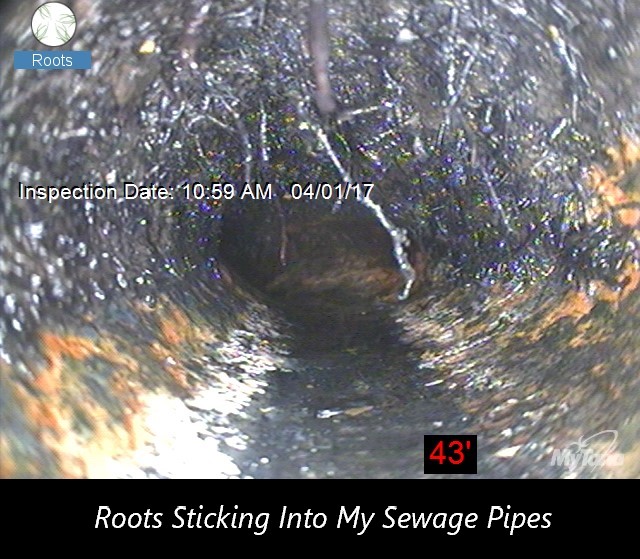
I made my own $30K mistake when a tenant called me in the middle of the night because the pipes had burst. I had to call emergency plumbing and fix the pipes. You typically don’t have those types of costs (had I known better, I could’ve avoided my mistake), but always keep cash in reserve so you’re prepared.
Part of the damage:
Step 2: Choose your strategy
The strategy you choose is the most important decision you make because each strategy has pros and cons. Some require more time, some make more cash flow, and some are far riskier than others.
Here’s how the main beginner options compare.
| Strategy | Effort | Capital needed | Risk | Beginner fit |
| Buy and hold (single-family) | Medium | Medium | Low-medium | Best |
| House hacking | Medium | Low | Low | Great |
| REITs | Very low | Very low | Medium | Good if you can’t buy yet |
| Flipping / BRRRR | High | High | High | Skip for now |
What real estate investing strategy works best for beginners?
Rent-by-the-room student housing means that you buy a single-family home and rent it by the room to students, traveling healthcare workers, and other people looking for room-based rentals.
This strategy works so well for beginners because it lowers your risk. If one person leaves, you still cover your mortgage. And you can generate high cash flow – often 2-4x the rent compared to renting your property to a single tenant.
That’s how I built my portfolio – I bought properties in college towns in my home state and out-of-state and rent them to students and healthcare workers.
I explain exactly how the model works in this video:
Why I steer beginners away from flips, BRRRR, and foreclosure auctions
They involve unknown code violations, contractor overruns, and tight timelines. One surprise can erase your profit. I recommend buying turnkey homes in the $200,000-$350,000 range, where the only project is adding a drywall partition (typically $1,500-$2,500) to create an extra bedroom.
House hacking: The low-barrier way in
House hacking means you buy a home, live in one part of it, and rent out the rest.
I did this with my first property and lived rent-free in California, while my property cash flowed:
My students Andy and Hyun did exactly the same on their first properties. They lived rent-free while renting rooms and still cash-flowed. You can read more about similar success stories here.
Note: FHA loans (as little as 3.5% down with a 580+ credit score) require you to live in the property, which makes house hacking the natural fit for that loan.
Step 3: Pick a market with my 3-step student-demand method
My best-performing properties are near colleges and hospitals, because that demand stays steady even when the economy gets shaky. For the rent-by-the room student housing strategy, here’s how to check if a market is worth it:
- Filter U.S. News lists. Find four-year national universities with 3,000+ students where the median home price is under $350,000.
- Use Reddit. Search “Reddit [University Name] best places to live off campus.” Note the safe streets and student-favorite neighborhoods, then highlight them on a printed Google Map.
- Call local student apartment complexes. If occupancy is 85-90% or higher, off-campus demand is real.
The general checklist
| Factor | What to look for |
| Job growth | Diverse employers, growing sectors |
| Population growth | Rising population |
| Price-to-rent ratio | Around 15x-20x |
| Neighborhood | School ratings, crime, planned development |
Pro tip: For your first property, look within 30-60 minutes of home if possible. But out-of-state works too if you build a team. More on that in a second.
Step 4: Find a deal and run the numbers
This is where beginners either win or get burned. Here’s a real deal from my portfolio (student housing) with a fictional single family property (rent estimated based on average rentals in the same area).
|
Deal |
Standard single-family | Student housing RBR |
| Purchase price | $300,000 | $300,000 |
| Down payment (20%) | $60,000 | $60,000 |
| Layout | Leased as a whole home | Converted to 8 bedrooms |
| Gross rent / month | $2,770 | $4,450 (about $550 per room) |
| Mortgage (PITI) | $1,380 | $1,380 |
| Operating expenses / reserves | $300 | $300 |
| Net cash flow / month | $1,090 | $2,770 |
| Net cash flow / year | $13,080 | $33,240 |
| Cash-on-cash return (on down payment only) | ~21.8% | ~55.4% |
| 1% rule (monthly rent ÷ price) | 0.92% | 1.48% |
It’s the same type of house, but with very different results.
Important: The cash-on-cash numbers above count only the down payment. Add your closing costs, furnishing, and conversion costs to your total cash invested for your own deals.
Another example: I bought a home for $211,000, added 2 bedrooms to make a 6-bedroom layout, and rented rooms for $620-$900 each. That brings in $3,800 per month in gross rent.
The best thing is, with this model you don’t need 50 units. Buying one property a year for 4-8 years can build a multi-six-figure passive income and a seven-figure net worth. That’s how I was able to quit my pharmacy job at 31.
Quick math rules:
- Cash-on-cash return: Annual cash flow ÷ total cash invested.
- Cap rate: Net operating income ÷ purchase price (this ignores your financing).
- The 1% rule: Monthly rent should be at least 1% of the price. If a property clearly fails, it’s unlikely to cash flow well with traditional financing.
- The 50% rule: Expect about half of gross rent to go to operating expenses, not counting the mortgage.
- The 7% rule: Definitions vary. One common version says annual gross rent should be at least 7% of the purchase price. Another says your total annual return should be 7%+. Check which one someone means before you use it.
Step 5: Finance the property
| Loan type | Best for | Key facts |
| Conventional | Most beginners | 15-25% down, good credit, stable income |
| FHA | House hackers | 3.5% down, 580+ credit, must live there at least a year |
| VA | Veterans | Often no down payment |
| HELOC / home equity | Buyers with equity | Uses equity in your home or another rental |
| DSCR | Investors without traditional income docs | Based on the property’s income, not your W-2 |
| Private lender | Faster or flexible deals | Higher rates |
| Hard money | Flippers | Short-term, high interest, not for beginners |
The 2-question agent interview
A good agent can make or break your first deal. When you’re picking a buyer’s agent on Zillow or BiggerPockets, read their reviews and then ask two questions:
- “Have you represented real estate investors before?”
- “Are you an active investor yourself?”
If the answer to either is no, keep looking. An agent who doesn’t invest will show you homes you’d want to live in, not homes that cash flow.
Step 6: Inspect and close (and my $30,000 mistake)
Remember that $30K mistake? Here’s the full story: On my first property, a $262,000 home in Stockton, California, I skipped a dedicated sewer camera inspection.
A collapsed sewer lateral later backed raw sewage into the house. The repair alone was $9,000, and my total initial losses ended up at over $30,000.
The silver lining is that I held on. Over the next 5-7 years, that property gained $168,000+ in appreciation. Time in the market beat my mistake, but please don’t copy it.
Inspections you shouldn’t skip
| Inspection | Why it matters |
| Sewer scope | Broken lines are expensive and hidden |
| General home inspection | Big-picture condition |
| Roof | Age and remaining life |
| HVAC | Costly to replace |
| Radon and pest | Depends on your area |
| Permit history | Unpermitted work can be a problem |
| Existing leases | Confirm rents, deposits, and payment history |
Once inspections are done, negotiate the price based on what you found. When you and the seller agree and the paperwork is signed, the deed transfers to you.
Step 7: Fill and manage your rental (months 5+)
While you’re still in escrow, you can begin filling the property:
- Virtual staging: Hire a designer on Fiverr (about $75) to stage photos of your empty rooms.
- “Coming Soon” listings: Post while in escrow to collect student leads before you take title.
The zero-application-fee funnel
I don’t charge an application fee. It keeps the top of my funnel wide.
- Post free ads on Facebook Groups, Avail, and Craigslist.
- Send interested people a Google Form to pre-screen.
- Before signing, require proof of income at 3x the rent, or $5,000-$10,000 in savings, or a parent co-signer.
Self-manage or hire help?
| Self-manage | Property manager | |
| Cost | Your time | Typically 8-12% of rent |
| Profit | Higher | Lower |
| Effort | Systems needed | Hands-off |
I use a “tenant empowerment” system, where tenants can handle small stuff themselves, like replacing a lightbulb. It solves problems faster, saves money, and keeps tenants happier. With property management software handling rent and requests, my time per property is only around two hours a week.
Taxes and legal
- Depreciation: You can generally depreciate a residential rental over 27.5 years, which can create a “paper loss” that lowers your taxable rental income. (IRS guidance on rental property depreciation.)
- The catch: Passive-loss limits can restrict how much you can deduct, and depreciation gets “recaptured” when you sell. Your results depend on your situation.
- LLC: It can protect personal assets, but many investors start without one and move the property into an LLC later. A lender may need to approve a transfer. Ask your attorney.
I’m not a tax advisor or attorney. Talk to a CPA and a real estate attorney about your situation.
The most expensive beginner mistakes by cost
I’ve made every mistake on this list. Some cost me cash, while some cost me actual deals.
|
Mistake |
Real cost |
Lesson |
|
Lowballing on a high-upside property |
Lost the deal. By my estimate, hundreds of thousands in missed equity and cash flow |
Don’t lose a great long-term asset over $10,000 |
|
Skipping due diligence |
$9,000 sewer replacement, $30,000+ in total upfront losses |
Always scope older homes and do full due diligence |
|
Putting $100,000 down on one property |
Locked up capital that could have funded 20% down payments on several cash-flowing homes |
Use leverage and spread your cash across deals |
|
Skipping tenant background checks |
3-4 months of unpaid rent, plus a lot of stress |
Screen every tenant, no matter how busy you are |
|
Early operating mistakes |
Higher utility bills, unqualified calls, dirty move-in handovers |
Bill utilities back, market smart, hire turnover cleaners |
Lowballing a great property
Early in my career, I refused to offer $10,000 over asking price on a property with big upside. I wanted a steep discount instead. Another buyer got it.
Looking back, that was foolish. If I’d held that property long term, it would have paid me hundreds of thousands of dollars in equity and cash flow. A great long-term asset is worth more than a “win” on the negotiation.
Skipping due diligence
This was the $9,000 sewer line replacement with a total loss of $30,000. It wiped out my savings. I spent months working grueling pharmacist shifts, from 7:30 a.m. to 10:00 or 11:00 p.m., just to rebuild my capital. Please, spend the $200 on a sewer scope.
Putting $100,000 down on one property
I had $100,000 sitting in my bank account, so I put it all down on a single property. I didn’t understand how leverage worked.
That money could have covered 20% down payments on several cash-flowing homes. Instead, it was stuck in one house. Spread your cash across multiple properties to scale faster, while keeping a $10,000-$15,000 reserve.
Skipping the background check
When I was busy with an early tenant placement, I skipped the background check. That tenant took me for a ride. They went 3-4 months without paying rent, and I dealt with the stress of getting them out.
Now I screen every tenant, every time, with the process in Step 7.
The early operating mistakes
- Including utilities in the rent: I used to include all utilities in a flat room rent. With no reason to conserve, tenants ran up the bills, until I started splitting utilities equally among occupants.
- “For Rent” yard signs: Putting my phone number on a lawn sign flooded me with random, unqualified calls. I now use the online funnel from Step 7 instead.
- Assuming tenants clean when they move out: Rooms were left dirty, and new student renters started their lease unhappy. I now schedule professional turnover cleanings.
FAQ: Investing in rental property for beginners
What is the 7% rule in real estate?
It’s a quick screening guideline. One common version says annual gross rent should be at least 7% of the purchase price. It ignores taxes, insurance, repairs, and vacancy, so use it only to decide which deals deserve a full analysis.
What is the 50% rule?
The 50% rule says about half of your gross rent will go to operating expenses, not counting your mortgage. If a home rents for $2,000, budget about $1,000 for expenses. What’s left must cover the mortgage and your cash flow. It’s a rough estimate, so verify with real numbers.
Is $5,000 enough to invest in real estate?
Not to buy a rental property directly, since most loans need a 15-25% down payment. But $5,000 can get you started with REITs while you save, or with a house hack that has a lower down payment. Build your reserve first, and don’t rush.
Can I buy a rental with no money down?
It’s rare and risky for beginners. VA loans can offer zero down for eligible veterans, and partnerships can reduce what you personally put in. Beware “no money down” pitches. You still need closing costs and reserves.
Should I use an LLC for my first rental?
It isn’t required. An LLC can protect personal assets, but many beginners start without one and add it later. Transferring a mortgaged property may need lender approval. Ask a real estate attorney what makes sense in your state.
Can I invest without being a landlord?
Yes. You can hire a property manager for about 8-12% of rent, or invest through REITs. REITs give you real estate exposure without tenants, but they don’t offer the same tax benefits or direct equity growth as owning a property. Or you can use my “tenant empowerment” system that removes most landlord duties.
What’s the best first rental property type?
For most beginners, a turnkey single-family home in the $200,000-$350,000 range, ideally near a university or hospital. If you want a lower barrier to entry, house hack a multi-bedroom home and rent rooms.
Do I need to invest in my own state?
No. Out-of-state investing works when you have the right team: an investor-friendly agent, inspector, and manager. I’ve invested in plenty of out-of-state-properties.
Your next 30 days
For the next 30 days, use this checklist for investing in rental property for beginners:
- Check your credit report and correct any errors
- Calculate your total cash: down payment, closing costs, and a $10-15K reserve
- Choose one strategy (house hack or buy and hold)
- Run my 3-step market method on two cities
- Interview two agents using my 2-question test
- Get pre-approved with a lender
- Run five properties through the numbers table above
- Make an offer on the best one
Not sure where to start? Download my free beginner guide to get my unique strategy for building a $10,755 rental portfolio. If you’d rather have someone walk you through your first deal, find out more about my coaching program.
